How do children learn? Why do they behave the way that they do?
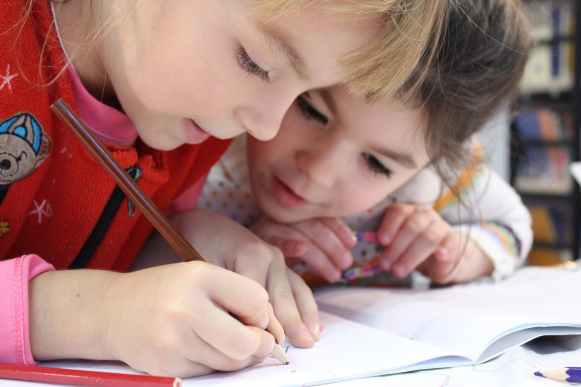
From the time that children are born they are surrounded by all kinds of different environmental stimulation. There are two major thoughts when it comes to how children learn. The first perspective is that children learn via rewards and punishments in their environment (Brooks, 2013). For example, your son/daughter wouldn’t eat their dinner, so you took away their dessert. But what happens if they have a sibling, and that sibling sees that you took away their brother/sister’s dessert, is the sibling more likely to eat their own dinner? Probably. How did this happen? The sibling wasn’t motivated by a reward or punishment, there was a higher level of learning that took place. This is the second perspective, called social learning (Brooks, 2013). Children are not only able to learn from their own experiences with the external environment, they are also able to observe the behaviour and consequences of the actions of others (Brooks, 2013). These other people are generally people that they are close to, such as family.
So with this new knowledge, you, as a parent, can use it teach your children healthy habits, and good behaviour.
 The Apple doesn't Fall Far